




October 19, 2026
Brad Blume
October 16, 2026
,
Cristina Otero
Pickleball Paddle Materials Explained: Graphite vs. Carbon Fiber vs. Composite
Paddles are by far the most important equipment in pickleball, affecting virtually every aspect of a player’s performance. They affect your power, control, feel, and spin on the court and are often the variable that can ensure both victory and defeat. Paddles have come a long way since the first wooden ones in the 1960s, now made with a variety of materials. In this blog we will explain the distinct types of paddles available and which ones are best for which players.
Anatomy of a Pickleball Paddle
Unlike other racquet sports like tennis and badminton, pickleball paddles are short, flat, square-ish, and use no strings. There are five main components to a paddle:
- Face or surface
- Core
- Edge
- Handle
- Grip
The face or the surface is the outer layer that directly contacts the pickleball. The face determines the initial power transfer upon impact, the amount of spin generated, and the overall feel of the paddle.
The paddle core, sandwiched in between the two face surfaces, influences a paddle’s overall power, control, and sound produced. It also influences the weight distribution, size, and the consistency of its sweet spot.
The edge is the protective guard around the paddle for aerodynamics and surface area. Usually, it is made of plastic and protects the face from chips. There are edgeless designs, which feel fast and even cover the full area of the face, but it can chip more.
The handle is the spine and comfort layer that connect your hand to the paddle, a composite or polymer tube wrapped in carbon or fiberglass. Lastly, the grip is the synthetic leather or polyurethane material that goes over the handle. Replacing grips and overgrips often will help keep your hand fresh.

Types of Paddle Face Materials
Being in direct contact with the ball, the face is by far the most important part of the paddle when it comes to performance. There are six types of paddle face surfaces in total, but the most common are graphite, carbon fiber, and composite paddles.
Graphite (Carbon-Fiber Variant)
Graphite paddles are lightweight, stiff, and thin, so much so that their thickness is in mere millimeters. Although they do not generate raw power, they provide a firm, responsive feel and good durability.
As such, they are particularly known for their excellent touch and precision, giving you clear feedback upon ball contact. Graphite paddles particularly excel at finesse shots, dinks, and quick net exchanges. This makes them ideal for advanced players who prioritize control, touch, precision, and quick hand speed, as well as net players.
Graphite paddles, however, do come with their drawbacks. They can have a slightly smaller sweet spot compared to other paddles except wood, and they are less forgiving for off-center hits. This – along with their higher price points and firm feel – makes them less suitable for beginners.

Carbon Fiber (Advanced Carbon Weave)
Similarly to standard graphite, carbon fiber paddles are popular options. Made with woven carbon filaments bonded in resin, carbon fiber paddles provide controlled strength, stiffness, and enhanced durability. Many are specifically textured to maximize spin, and their high stiffness ensures stability, as well as a longer lifespan.
As a result, carbon fiber paddles absorb ball impact, distributing the force evenly for a consistent ball response. This leads to many players describing carbon fiber paddles as having a “silky” or a “smooth” feel different from the light crispness of graphite. They are excellent for competitive players who value long-term paddle performance and durability, as well as a balanced blend of power, control, and more spin.
Carbon fiber paddles are among the more expensive options, however, and they are slightly less explosive than fiberglass paddles. For players that may prefer a softer, more cushioned feel, carbon fiber paddles may feel too firm.

Hybrid/Composite Materials (Blended Surfaces)
You can, of course, opt for a hybrid paddle. These kinds of paddles are made of two or more materials, typically carbon fiber and fiberglass or graphite and fiberglass. Composite paddles deliver a balance of power, control, and spin, with a forgiving sweet spot. Their versatility and broad appeal make them “all-court” paddles suitable for a wide range of playing styles.
For versatile players or players who like to experiment with different playing styles, hybrid paddles are the way to go. That said, they are less specialized than other paddles, and their manufacturing complexity inevitably leads to higher costs. Depending on the kinds of materials used, performance can vary greatly between brands. Check out our composite paddles today.

Other Paddle Materials
Wood
Wood is the traditional material for pickleball paddles, dating back from its inception in the 1960s. Most paddles are plywood, lacking the honeycomb core structures common in most paddles today.
Wood paddles are extremely heavy, which leads to player fatigue more quickly, with a smaller, more inconsistent sweet spot. While wood does give you plenty of power, it lacks control, spin, and finesse, and the feel of it is rigid and unforgiving. Wood paddles, however, are inexpensive, especially compared to other materials.
Beginners and those who indulge in recreational play on occasion would do best with wood, but for serious, competitive play, graphite or composite paddles are recommended.
Fiberglass
One of the most accessible and widely used face materials for paddles, fiberglass is made from compressing fiberglass cloth with resin under high heat and pressure. Although they are lightweight, they tend to be heavier than carbon-based paddles.
Fiberglass paddles are known for their springy, energetic feel and power, with a “trampoline” elastic quality. Executing powerful shots is a breeze with these paddles, which is advantageous for power hitters and offensive-minded players.
That said, you do get less precise control compared to rigid carbon or graphite options and a smaller, less effective sweet spot.

Kevlar
This incredibly strong material, famously used in bulletproof vests, is a new one for pickleball paddles. Kevlar is an aramid fiber composite combined with resin and applied as a composite layer. The result is a slightly rough texture that provides excellent impact resistance and vibration dampening. Kevlar paddles excel in shock absorption and get good friction when generating spin.
In terms of power and control, Kevlar paddles sit in the midrange, with a solid, consistent response. They are extremely durable, with consistent performance over a long lifespan. Because Kevlar paddles are new, they are less common and therefore more expensive.
For those who prioritize maximum durability, desire vibration dampening for arm comfort, and are the type to hit and play hard, a Kevlar paddle may be the best option.

How to Care for Your Paddle
High-quality pickleball paddles will serve you well for years, but that doesn’t mean regular maintenance isn’t necessary. On the contrary, dirt, debris, and even tiny plastic fragments from the ball can embed themselves in the paddle face, filling in tiny grooves in the texture that create friction. This can greatly affect your shots for the worse, compromising your control of the ball.
Cleaning
Cleaning your paddle regularly can prevent most common issues from cropping up and overall keep your pickleball paddle in tip-top shape. Here are the steps:
- Wipe your paddle surface with a clean microfiber cloth. Use lukewarm water with gentle, straight strokes from top to bottom. Be sure to do it on both sides.
- Wipe the handle and edge guard. These collect court dust easily.
- Let the paddle air dry completely. Do not use paper towels, as they can leave fibers behind.
- For a deep clean, add a drop of mild dish soap to a damp cloth and wipe the surface lightly. Rinse the cloth and wipe again with plain water to remove soap residue. Let it dry for half an hour to an hour.
- Avoid using household and glass cleaners, as well as any product containing ammonia or alcohol. These degrade the paddle’s clear coat or adhesive over time and even leave behind a sticky film that attracts more dirt.
Storage
The biggest factors that can compromise paddle longevity include heat, pressure, and humidity. Avoid extreme temperatures especially; store your paddle in room temperature, ideally from 59 to 86 degrees Fahrenheit. Keep it dry and away from humidity above 70%. Humidity promotes moisture absorption in the honeycomb core, which can lead to delamination.
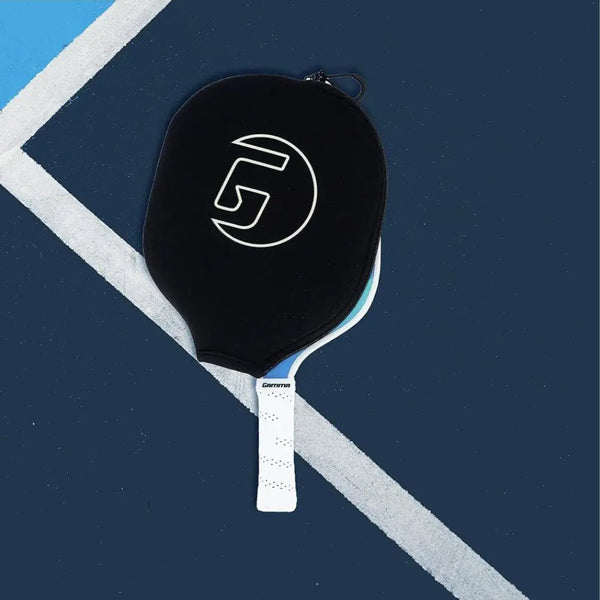
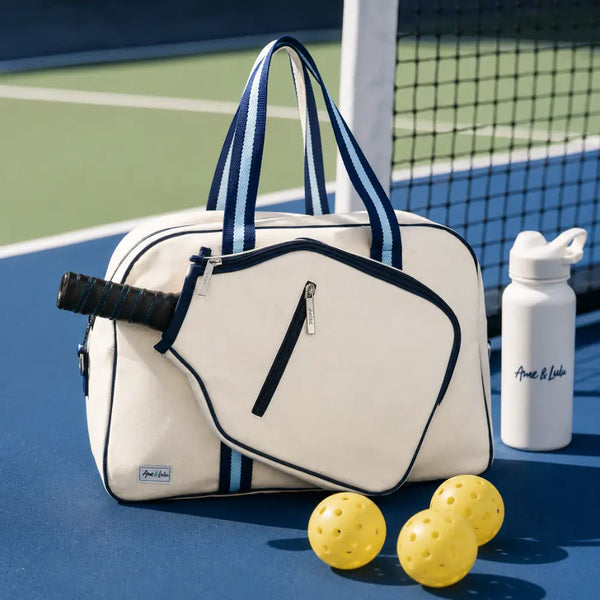
Using a paddle cover is also recommended, as it protects against dust, scratches, and accidents during transport. A dedicated paddle bag offers better protection and even room to store balls and other accessories. We offer plenty of quality pickleball bags that provide excellent protection in style.
Swipe to see more
FAQs
What is delamination?
Delamination is a fracture within the face of the paddle, which causes loss of performance, including “dead” spots. However, when players talk about delamination, they often include disbonding (the adhesive failure between the face layer and the core), as well as core crush (the collapse of the core’s honeycomb structure).
Environmental damage, improper storage, and manufacturing defects are all common causes of delamination. If your paddle has bubbles or an uneven surface, or there is a hollow, tinny twang when you tap it, then that is a sign your paddle may be suffering from delamination.
Which material is best for speedy players?
Players quick on their feet would benefit from a graphite or carbon fiber paddle, the lightest face materials on the market. Either of these face surfaces will provide you with speedy play and decrease arm fatigue.
How do you care for carbon fiber paddles?

For carbon fiber paddles, more specialized cleaning is needed. We recommend using a paddle eraser, which is a block of raw crepe rubber created specifically for pickleball paddles. With your paddle lying firmly on a flat surface, rub the eraser across the face from the top to the bottom of the paddle. The rubber collects the embedded plastic particles as white or gray residue without damaging the surface.
A common mistake pickleball players make is using any type of eraser to clean their paddles, such as a magic eraser. Made of melamine foam, magic erasers will remove dirt, but they are microabrasive, meaning they will permanently strip the textured grit pattern of your paddle. Your paddle will feel “dead” in its spin, and there is no amount of proper cleaning that will bring it back. Take care, then, that you use only specialized paddle erasers.
How long does a paddle last with proper care?
A paddle lasts a year to three years if you are on the court two or three times a week; for high-intensity players, it is less. Not cleaning your paddle can lead to noticeable loss of ball grip within four weeks, so it behooves you to wipe it after every play and do a weekly deep clean. If you are feeling dead spots and unusual vibrations, or if you are seeing peeling or bubbling on the paddle face, your paddle may be on its last legs and due to be replaced.
Explore Our Pickleball Paddles
A good paddle makes all the difference in the world when it comes to your performance. At Pickleball Express, we offer high-quality equipment for beginners, intermediate, and advanced players alike. We offer many kinds of paddles, including carbon fiber, graphite, and composite ones, which provide excellent power, control, spin, and more.
Whether you are shopping for your first pickleball paddle or replacing an old one, you can be sure you can find the one that will best suit your needs. For more information about pickleball paddles and equipment in general, feel free to visit our helpful blog.

